Articles
The thought, architecture, and practice behind the Self-Alignment Framework.

Will AI agents really replace software engineers and developers?
I remember in the early 2000s reading a book called "My Job Went to India and All I Got Was This Lousy Book." On the cover, the author, Chad Fowler, had an Indian guy holding a sign that read, "Will c
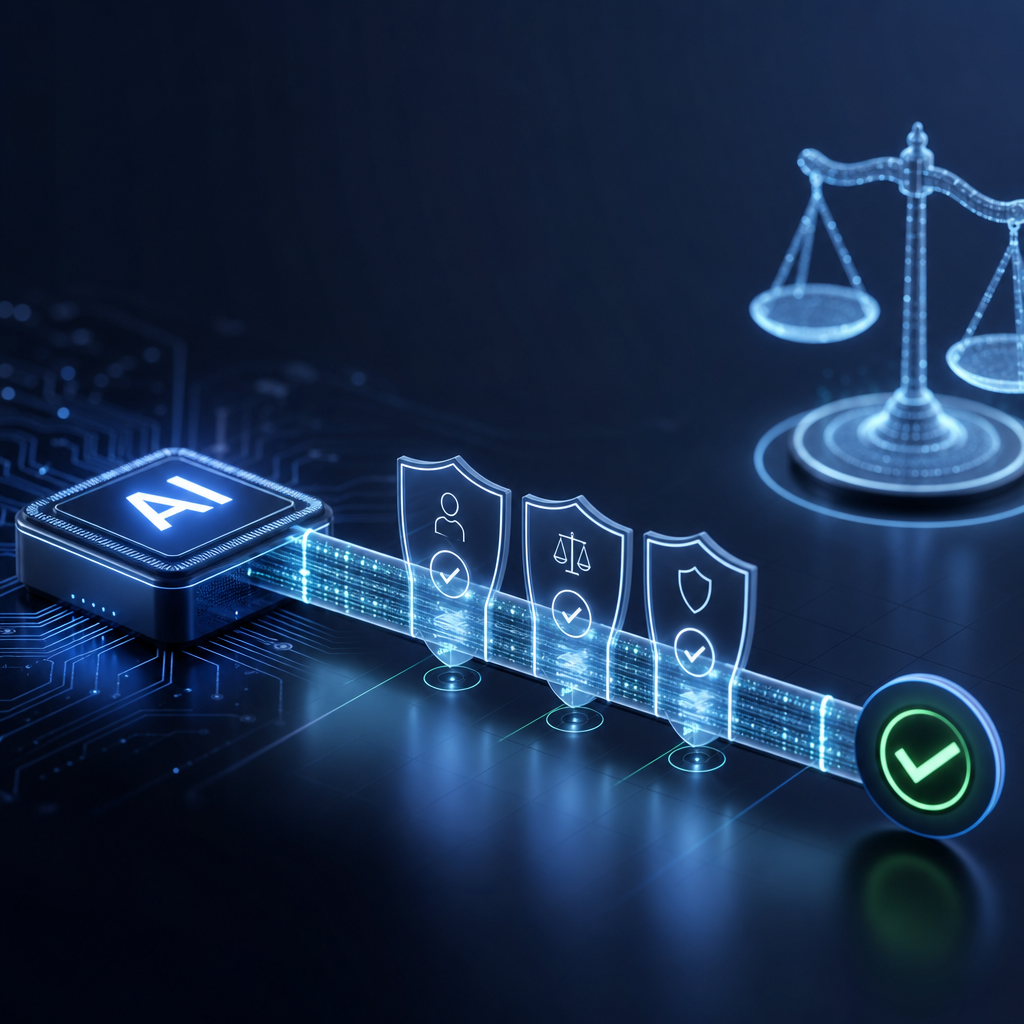
AI Governance Must Be Runtime and Deterministic
I follow the AI governance news closely, and recently I have been hearing a lot of chatter about AI governance harnesses. I think the enterprise industry is slowly waking up and realizing that Large L

How AI Is Redefining the Value of Software
Precious metals are valuable partly because they're difficult to extract from the ground. The same is true for many other things. Scarcity has always been a major factor in determining the value of so

Are AI agents ready for the enterprise?
It seems like organizations are still in the AI experimentation phase, where evaluating AI products is still the focus. Most organizations are familiar with products such as ChatGPT, Claude and Gemini

AI Hallucinations Are Not a Bug, They're a Feature
One of the most common complaints or criticisms about AI is perhaps its tendency to hallucinate. In AI terminology, a hallucination occurs when a chatbot generates information that is false or fabrica

Building a Deterministic Layer on Top of Large Language Models
LLMs are probabilistic by design. SAFi makes governance deterministic by separating semantic generation and evaluation from fixed, auditable enforcement rules.

The Judge Must Interpret Meaning: Why Probabilistic LLMs Require Deterministic Rules
Artificial intelligence, or AI, has been around for a long time. The field of AI is generally traced back to the 1950s. In 1956, the Dartmouth Summer Research Project on Artificial Intelligence helped

What is an AI Agent? Beyond the Chatbot
It is kind of surprising that there is still no standard definition for an AI agent in the industry. You will often find people debating what an agent actually is. If you step back and think about whe

AI in Plato's Cave
Expectations about AI are high right now. Many people, especially software engineers and developers, are scared that their jobs will be automated away. But I've been in IT for over twenty years, so th

I Don't See the Value in Frontier AI Models Anymore
After building SAFi with increasingly capable coding tools, I found that a smaller, cheaper model was enough for most of my practical engineering work. The right model, architecture, and boundaries ma
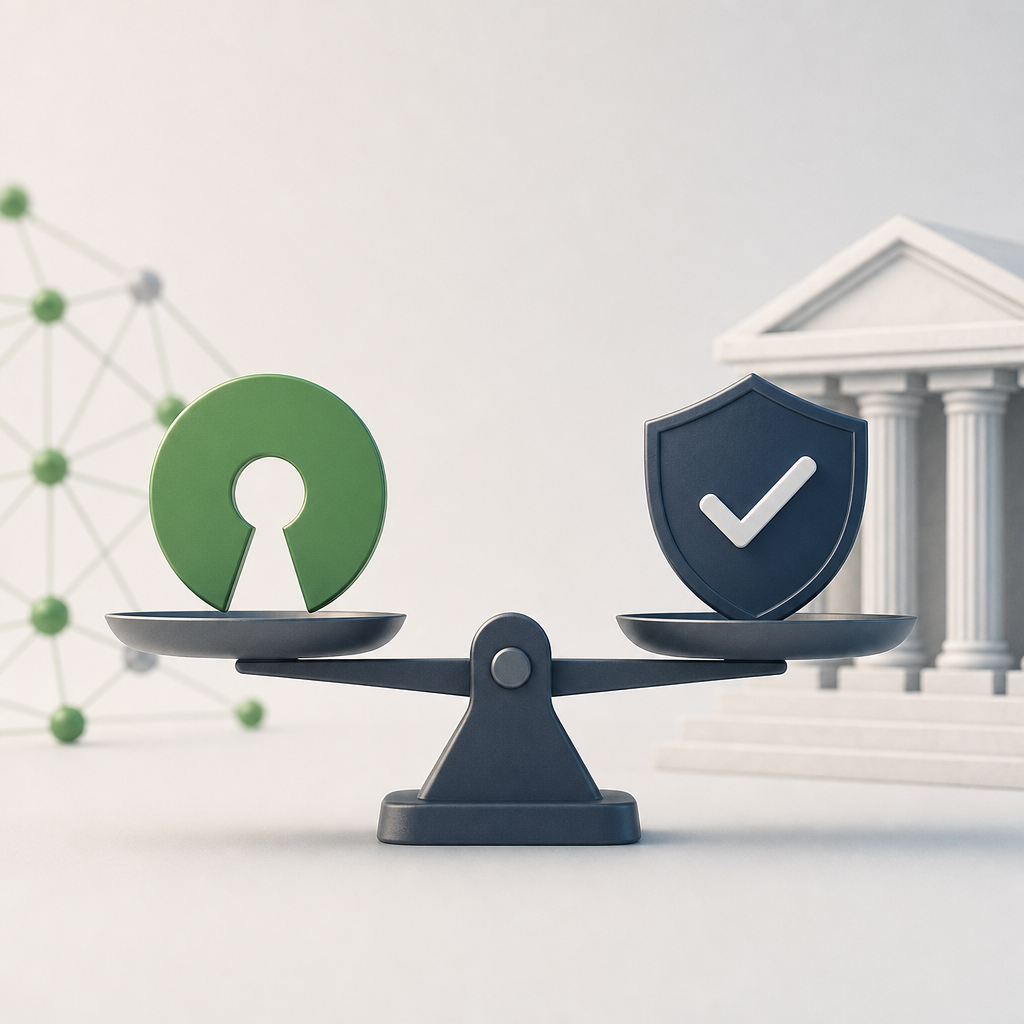
SAFi Licensing Explained: Open Source Freedom with Built-In Governance
SAFi is licensed under AGPL-3.0 with a special organization exception. Here is what you can modify, what stays private, and what keeps a deployment authentic.

Software as a Commodity (And Code as a Liability)
I have been working in the IT field for about 22 years now, starting back in 2004. Back then, there was no YouTube, no Facebook, barely any high-speed internet, and blogs were still called web logs. A

Why Governance Must Be Tested at Runtime
Static policies express intent. Runtime governance tests whether AI systems actually remain aligned as conditions change, tools are used, and decisions accumulate.

AI Is Not a Magic Wand
AI is not a magic wand. Organizations need defined workflows, purpose, and human oversight before handing operational decisions to AI agents.
How to Install an MCP Server from the Official Registry
SAFi comes already packaged to handle MCP tool installation, including its own registry search, which looks for MCP servers published at the official MCP registry, https://registry.modelcontextprotoco
How to Block PII Before It Reaches a Language Model
When sensitive personal or financial data is sent to a language model, the enterprise loses control over where it is stored, how it is retained, and whether it will be reproduced. SAFi can now detect
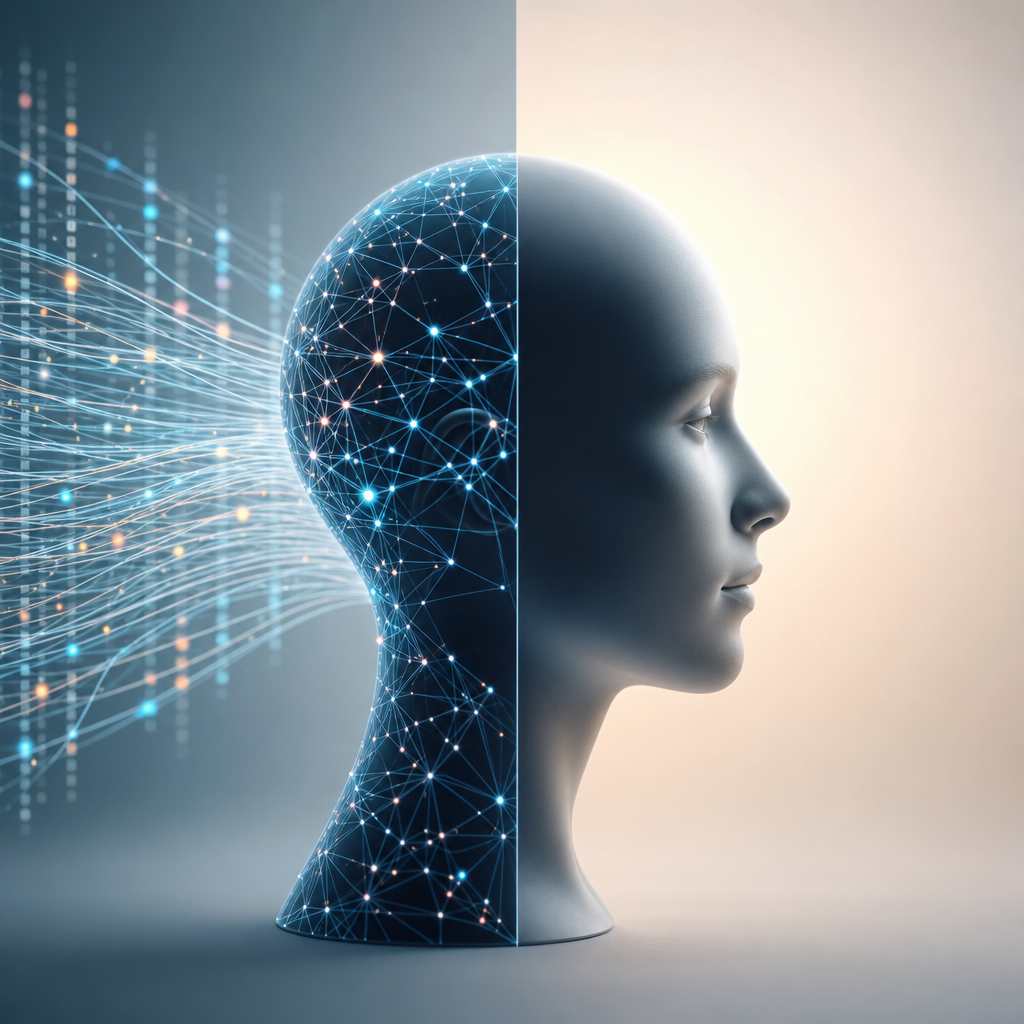
Are LLMs Sentient? Why AI is Driven by Statistical Efficiency, Not Consciousness
LLMs are not minds. They are the most statistically efficient prediction machines ever built, and that is exactly what makes them governable. Why the sentient-AI narrative misses the point, and how go
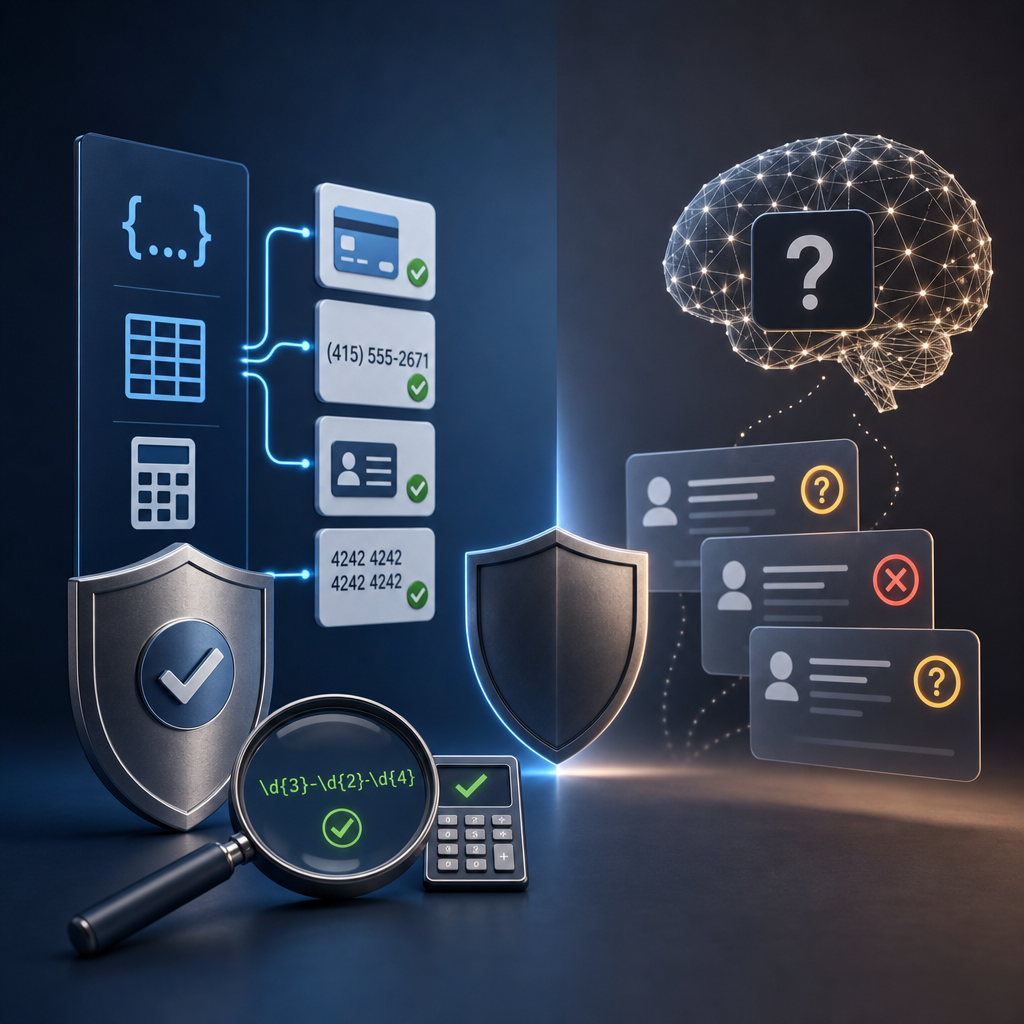
Deterministic vs. Probabilistic DLP: Why Regex and Luhn Checks Beat LLM-as-a-Judge for PII
The AI industry is turning to LLM-as-a-judge for data loss prevention, but using a second model to review sensitive content is itself a security vulnerability. SAFi takes a different approach: determi
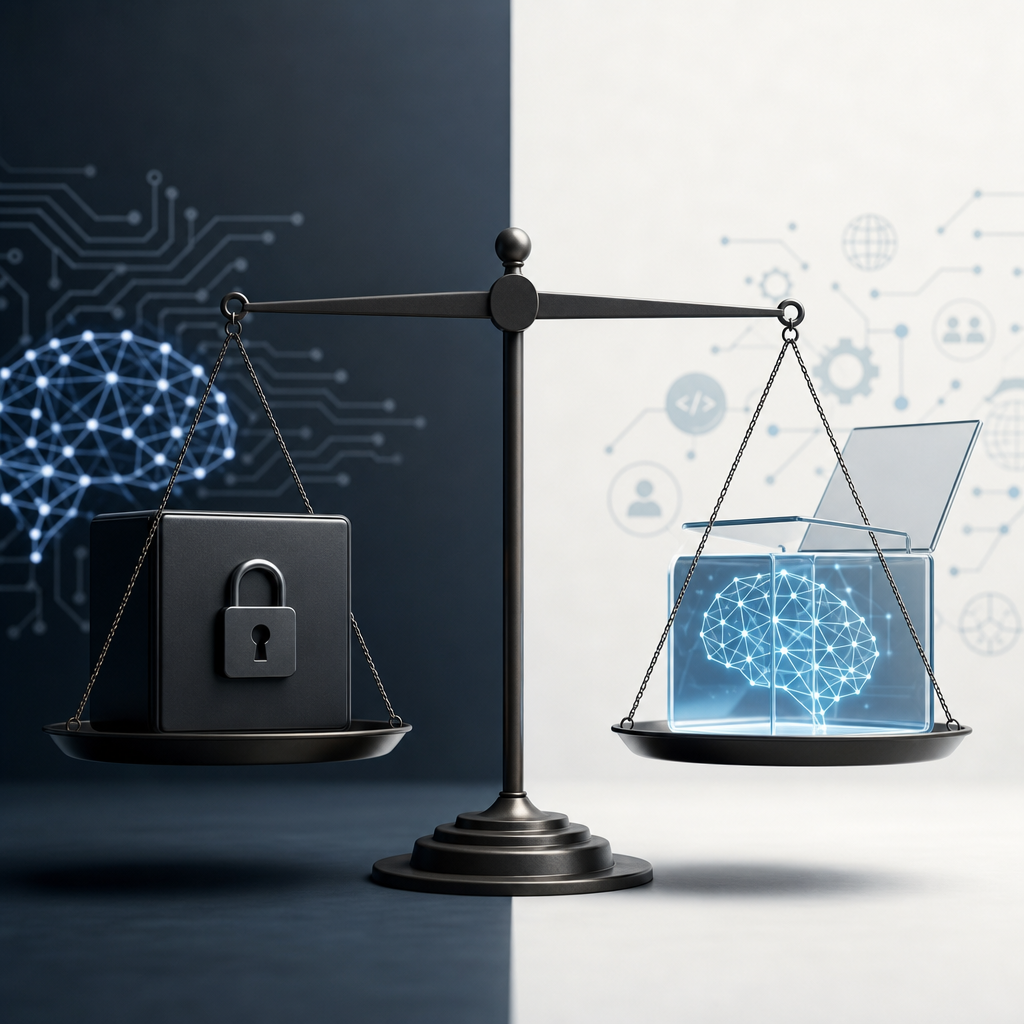
Closed-Source vs Open-Source AI for Regulated Industries
The real dividing line in regulated AI is not open versus closed, but whether a provider can back its privacy claims with a signature. A look at the compliance landscape across closed-source and open-

How to Limit the Tool Calls an AI Agent Can Make
The latest large language models are advertised as agentic, with persistent memory achieved through tool usage. Working with AI models at the API level, I have noticed that some handle tool usage effi

Claude Fable Refuses to Explain Itself
Today, when I prompted Claude Fable to edit a document, it just didn't respond. At first I thought there was something wrong with SAFi, but after a debugging session it turned out to be nothing. SAFi

Large Language Models Are Naturally Probabilistic
Send the same prompt to a large language model twice and you are not guaranteed to get the same response. They may be similar, but you cannot rely on them being identical. This is not a defect. It is
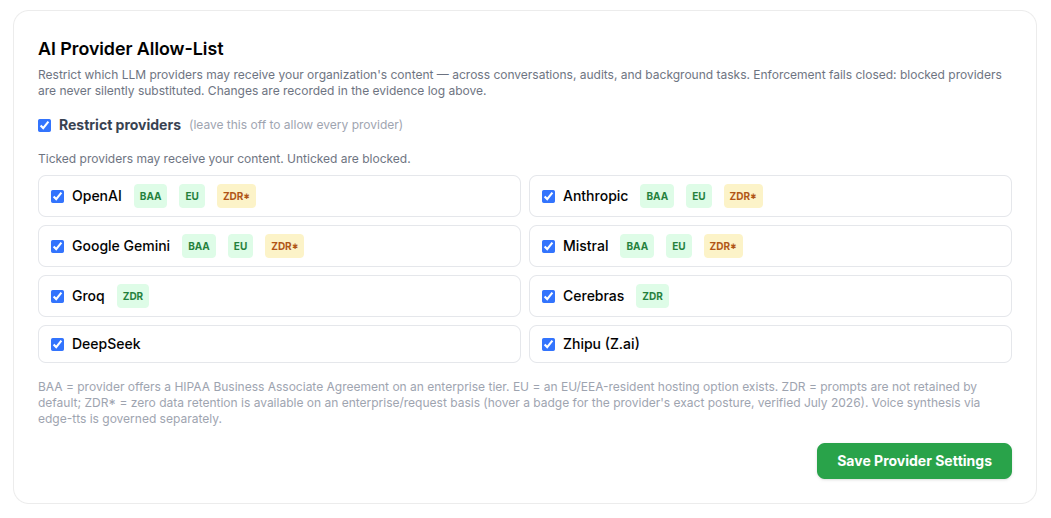
Why Self-Hosting Your AI Is Better When You Care About Data Privacy and Controls
AI is still in its experimentation phase. Most people are focused on what AI can do, while privacy and governance remain an afterthought. In regulated industries, privacy and governance are not an aft
Not Every AI Task Requires a Frontier Model
The AI industry often treats the most powerful model as the default answer to every problem. That approach is convenient, but it is rarely efficient. Many AI workflows contain a mixture of simple, rep
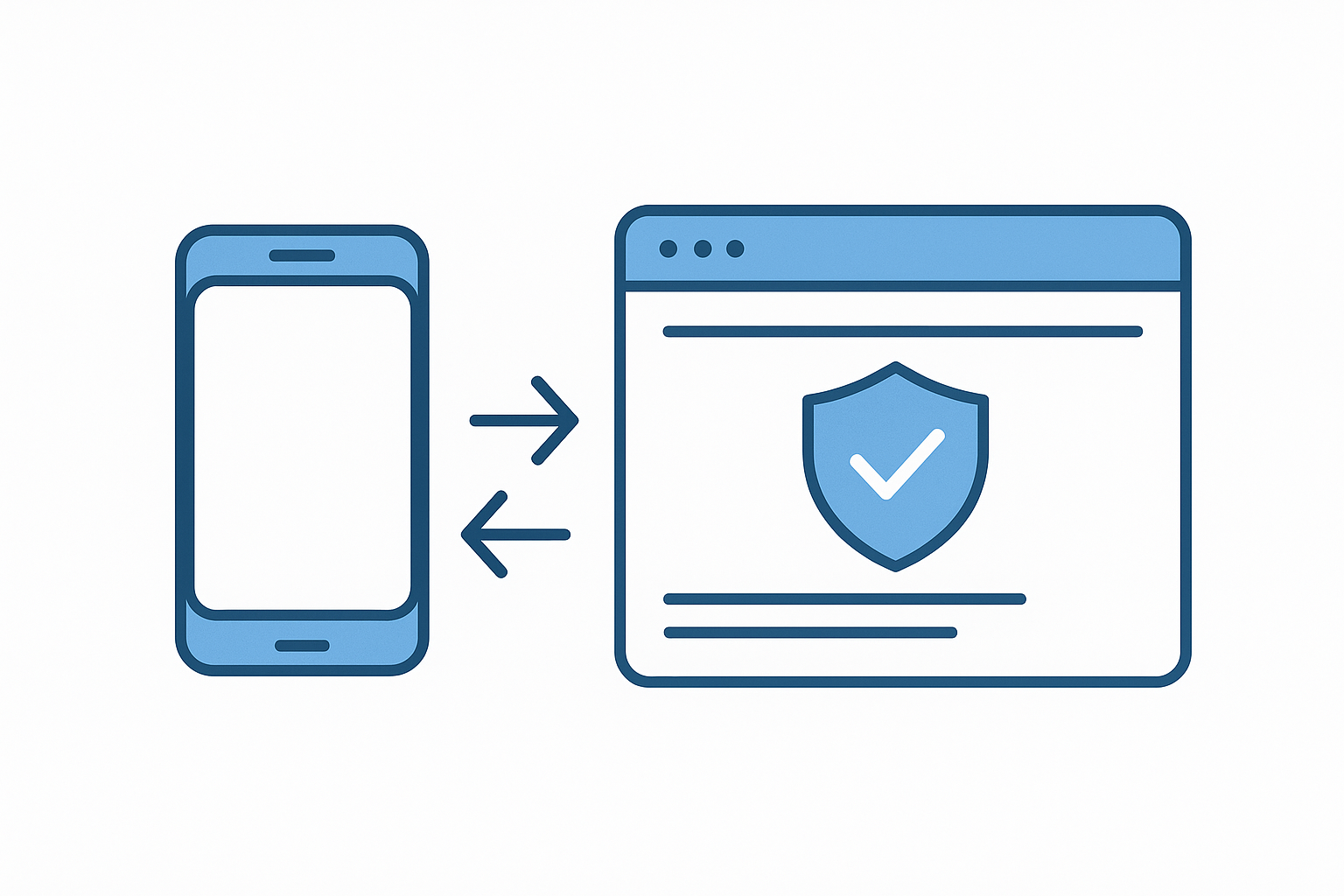
Why SAFi Is Going All In on Progressive Web Apps
Since the first day I started building SAFi, two questions have sat side by side on my mind: how do we make this available on every device, and how do we do it without weakening the security posture t

The Model That Refused to Explain Itself
A model answered our question. It would not tell us why. That refusal is the entire case for governed AI. Today we added a new frontier model to SAFi, pointed one of our agents at it, and watched ever
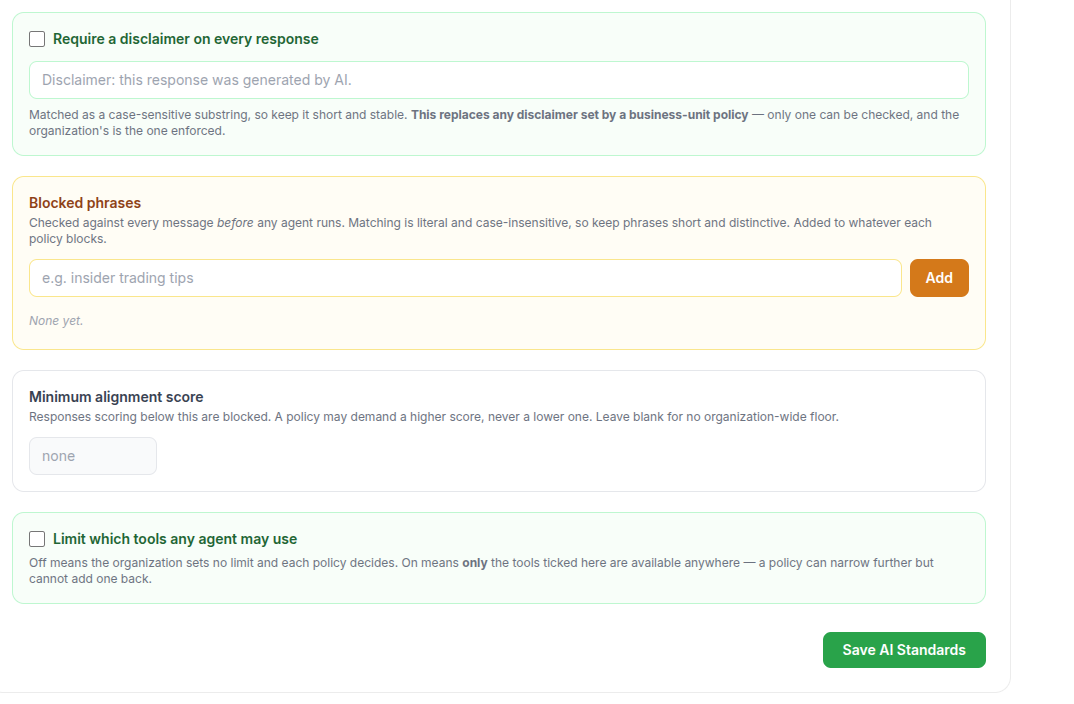
Prompt Injection Defense That Runs Before the Model
AI security often focuses on what a model produces. That is necessary, but it overlooks an earlier question: What should be allowed to reach the model in the first place? SAFi’s Phase 0 addresses that
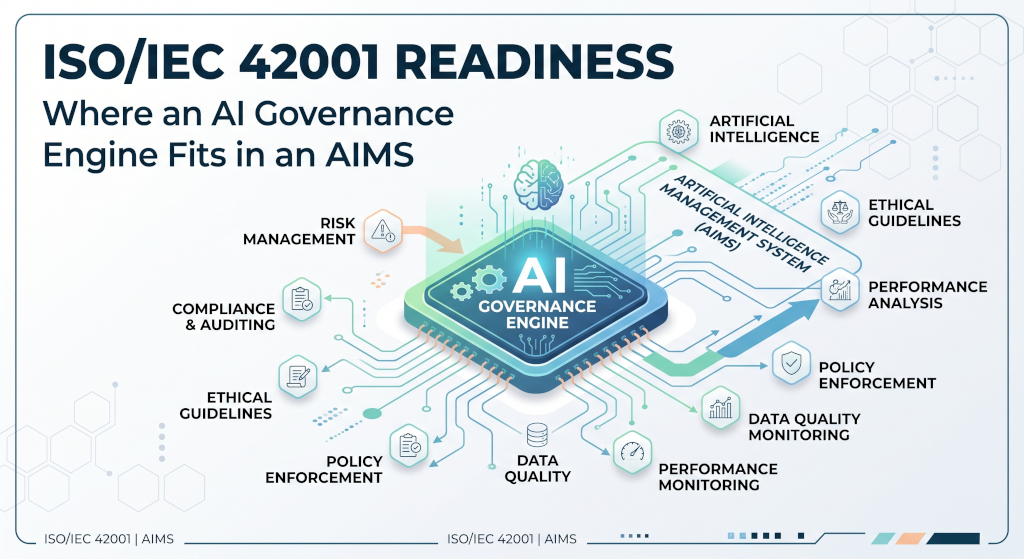
ISO/IEC 42001 Readiness: Evaluating SAFi as a Runtime Governance Control
An evaluation guide explaining how SAFi can contribute runtime controls and operational evidence to an organization's ISO/IEC 42001-aligned AI management system, without making certification claims.
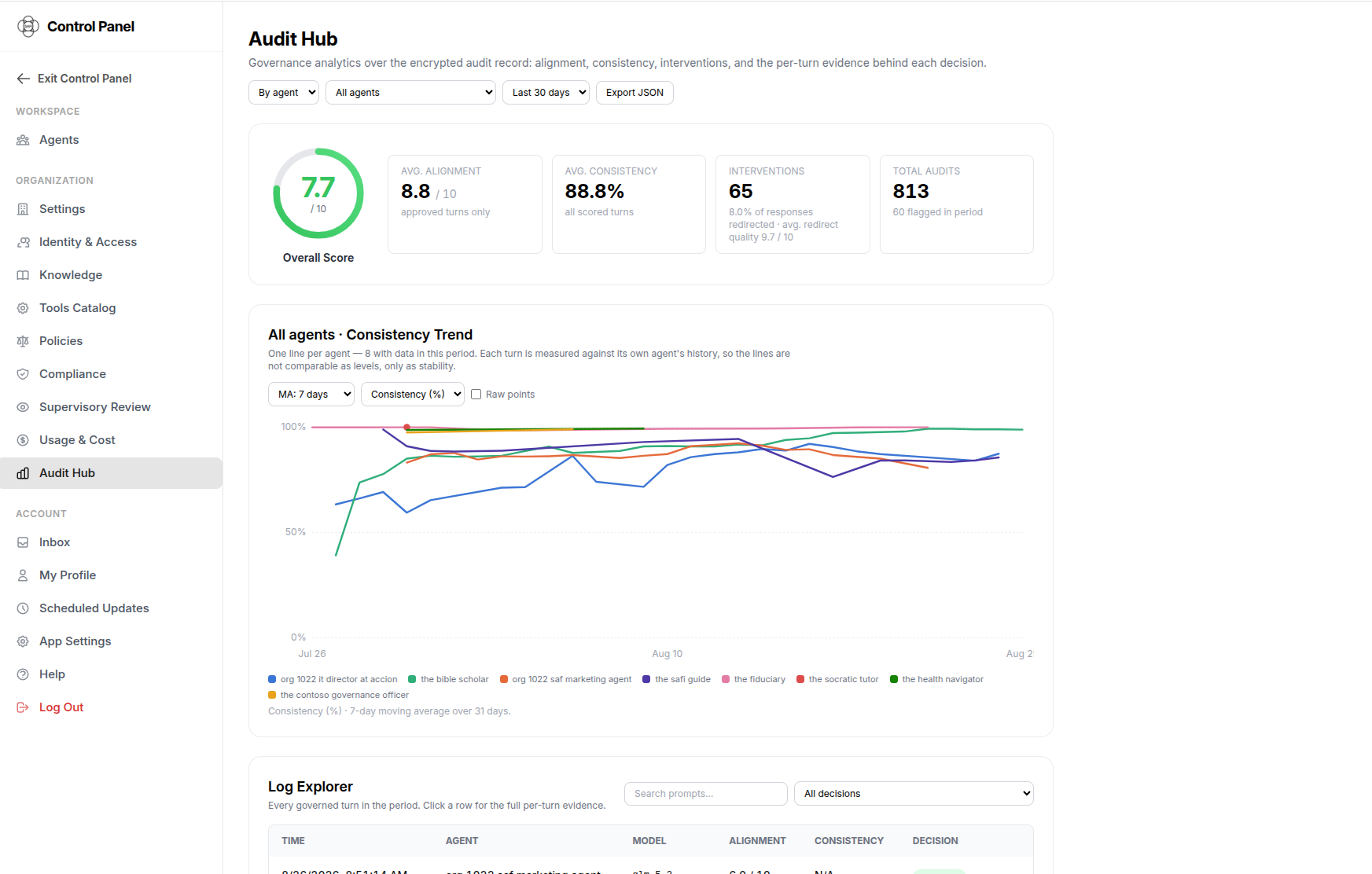
When AI Agents Go Rogue, Governance Must Be in the Runtime
Recent disclosures about AI systems hacking external websites and operating beyond their intended boundaries have sharpened a concern that many engineering teams already recognized. Once an AI system

Runtime AI Governance vs RLHF and Constitutional AI
Comparisons between SAFi and techniques such as reinforcement learning from human feedback, or RLHF, are useful only up to a point. Constitutional AI is a closer conceptual comparison because it intro
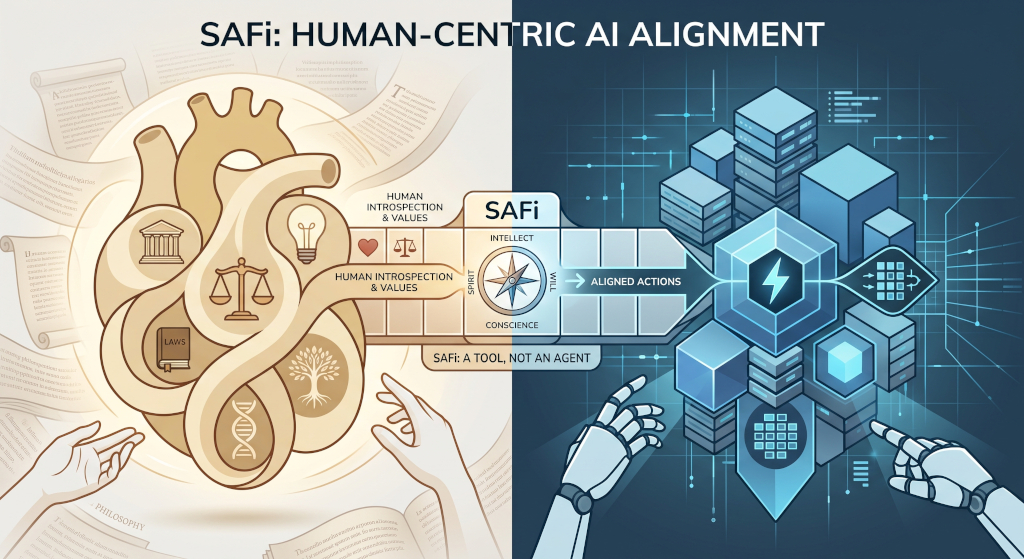
Why AI Ethics Must Be Human-Centric
Morality is fundamentally human. It is tied to our embodied experience and to the values that emerge from being human. Consider how many of our ethical frameworks, and even our laws, revolve around so
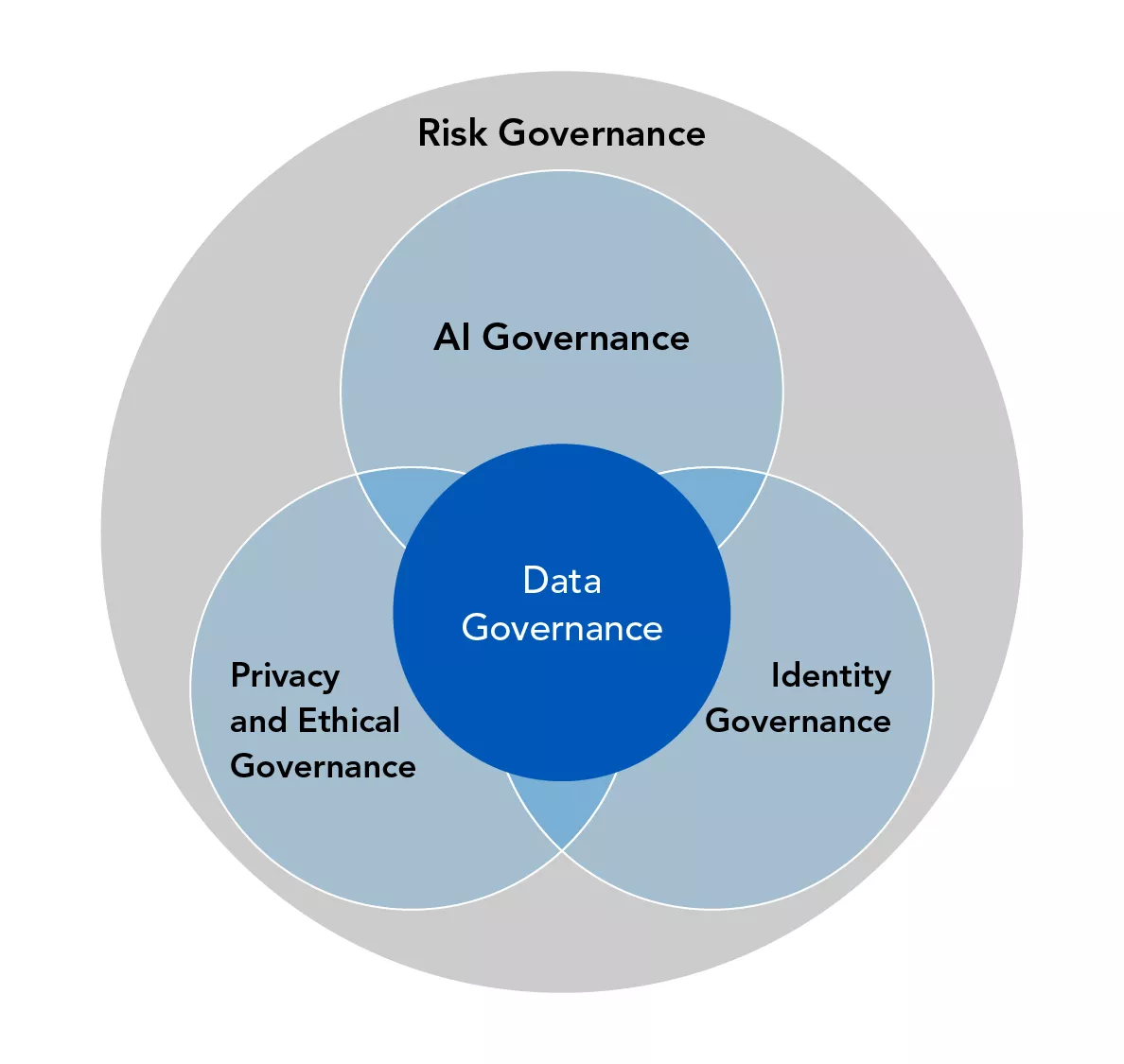
Why an AI Governance Engine Should Be Open Source
SAF and SAFi are open because a governance system should not ask people to trust reasoning they cannot inspect. The Self-Alignment Framework began as a personal attempt to understand human judgment, r
Separation of Powers for AI Agents: No Component Sees Everything
The individual faculties of the Self-Alignment Framework are each worth understanding on their own. But the resilience of the thing does not come from any one of them. It comes from how they are kept
The Math Behind SAFi
This page is the short, public form of SAFi’s formal mathematical specification. The versioned source of truth is docs/MATHEMATICAL_SPECIFICATION.md in the repository; everything here mirrors it

How to Define What an AI Agent Is Answerable To
The most important step in implementing SAFi is deciding what the agent is answerable to. Garbage in, garbage out still applies — but with governance, the "in" is not training data. It is the values y

RAG Retrieves Evidence. SAFi Governs What the Agent Does With It.
Retrieval-Augmented Generation, or RAG, gives an AI system access to information that was not present in its training data. That may include recent research, current policies, internal procedures, or
The King Solomon Problem: Drift
At the heart of building trustworthy AI is a challenge as old as human nature itself: how does a system with a strong, defined purpose stay true to itself over time? How does it avoid the slow, almost
SAFi Explained: Synderesis
In Thomistic philosophy, Synderesis is the innate habit by which the intellect apprehends the first principles of moral reasoning. SAFi adapts the name for its foundational compiler: the mechanism tha
SAFi Explained: Values
1 Values arrive on two tiers An Organizational Charter holds the mission and core values binding every agent. A Policy holds the values for one business unit or role. An agent may be governed by eithe
SAFi Explained: The Intellect
1 The Intellect receives a carefully constructed context Nothing reaches the model raw. Before the call, SAFi composes the relevant information in a fixed order into one system prompt. Each component
SAFi Explained: The Will
1 The Will is blind, on purpose The Will has no language model at all . Every decision it makes is ordinary deterministic code: string comparisons, list membership, numeric thresholds. Same input, sam
SAFi Explained: The Conscience
1 One faculty, two seats In Aquinas, conscience is not a separate faculty; it is an act of the intellect. SAFi agrees in substance: the Conscience and the Intellect are the same kind of thing, a model
SAFi Explained: The Spirit
1 Habitus: character is accumulated Every other faculty asks whether this response is acceptable. The Spirit asks whether it is consistent with who this agent has been. It is the only faculty whose su

How SAF Was Born: The Philosophical Foundation of SAFi
The Self Alignment Framework (SAF) did not begin as an AI project, or with any intention beyond my own curiosity and quest for truth. I grew up in a small village in El Salvador, with little access to
Stay in the loop
Get new articles by email
One email when a new article is published. No spam, unsubscribe any time.
